What Are the Top 10 Pressure Washing Mistakes to Avoid on Your Oregon Property?
Washing your own property is a common weekend project. However, operating a pressure washer without understanding its mechanics can lead to permanent damage. From our local Eugene workshop (located at Building 119, 1230 Coburg Industrial Way, Eugene, OR 97408), we see concrete etching, water-damaged siding, and ruined shingle roofs regularly. Here are the 10 most common mistakes and how to avoid them:
Why Can DIY Pressure Washing Be Dangerous to Your Home?
Pressure washers generate water pressures up to 4,000 PSI. At this level, water can cut through wood, slice skin, and force its way behind siding. Safe cleaning requires matching the nozzle, pressure, and detergent to the specific material.
The Top 10 Mistakes
- Running the Pump Dry: Starting a pressure washer without water flow burns out internal seals within 30 seconds. Always connect water and bleed air from the wand before starting the engine.
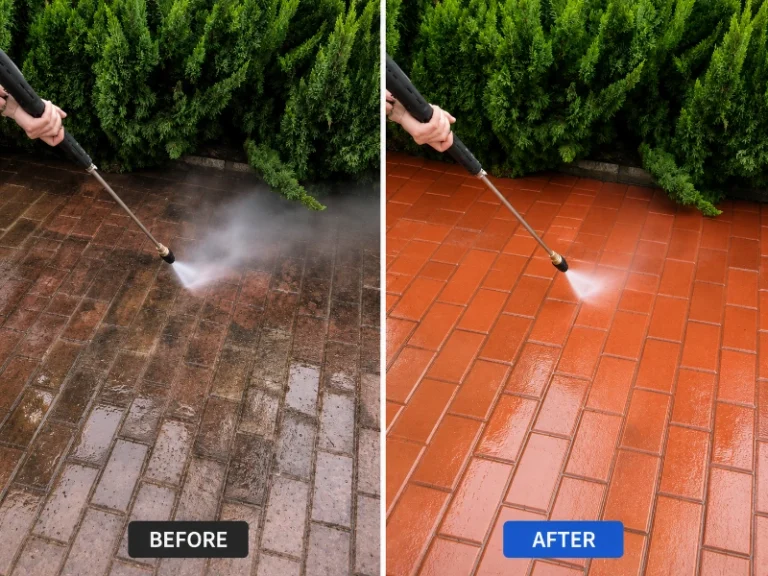
- Using the Red 0-Degree Tip: This nozzle concentrates water into a pinpoint stream that etches concrete and splinters cedar siding. Use wide 25° or 40° fan tips or surface cleaners.
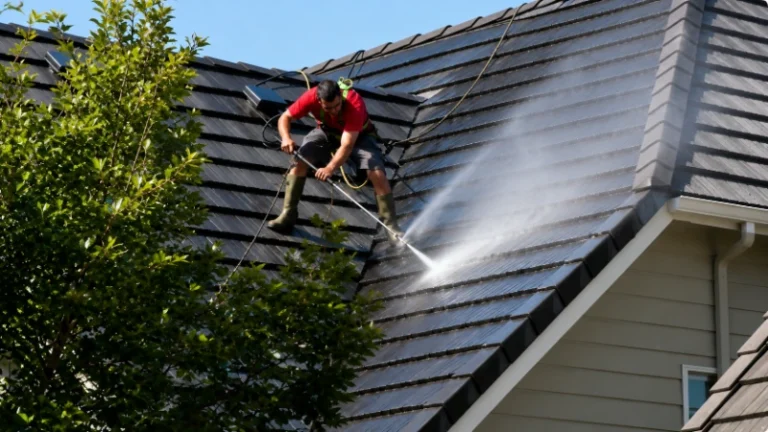
- High-Pressure Roof Cleaning: Blasting asphalt shingles strips the protective mineral granules, immediately voiding active GAF warranties. Only use gentle soft washing (under 500 PSI).
- Bleaching Cedar Wood: Bleach destroys wood lignin, turning cedar white and causing fiber decay. Use metasilicate-based restorers to clean decks and fences safely.
- Skipping Landscape Protection: Chemical runoff can scorch flower beds. Saturate all surrounding garden plants with fresh water before and after washing to dilute any overspray safely.
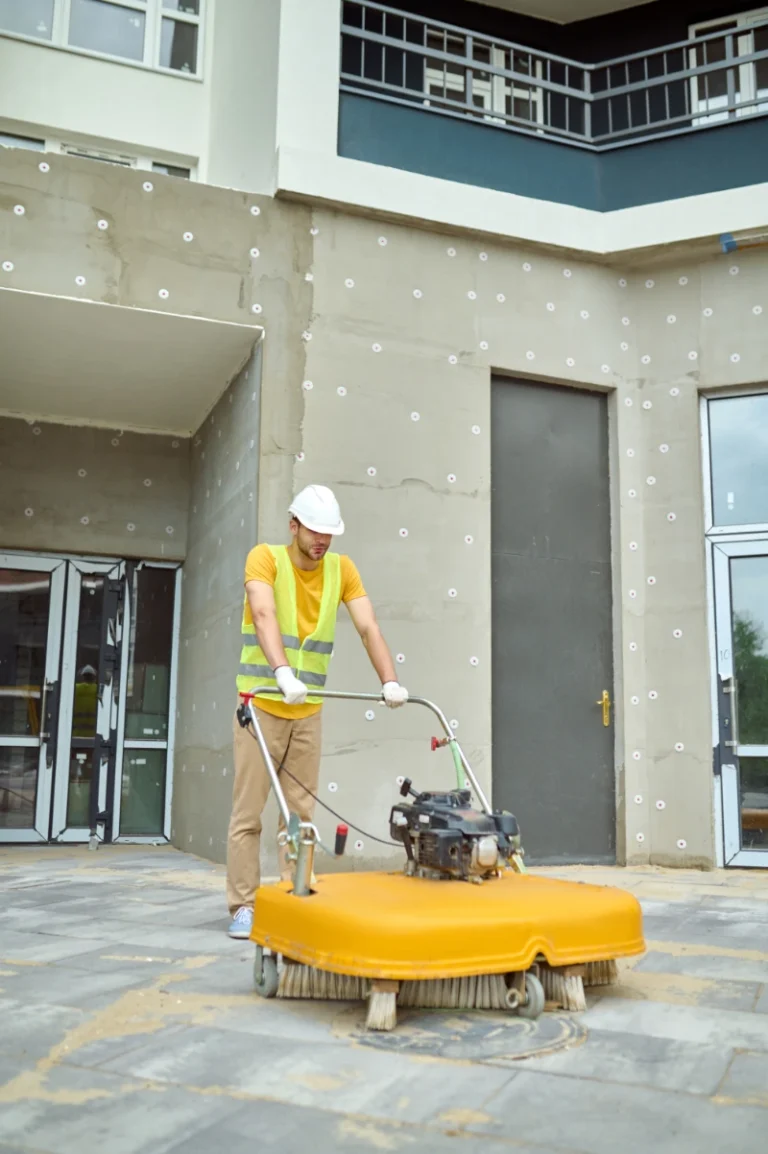
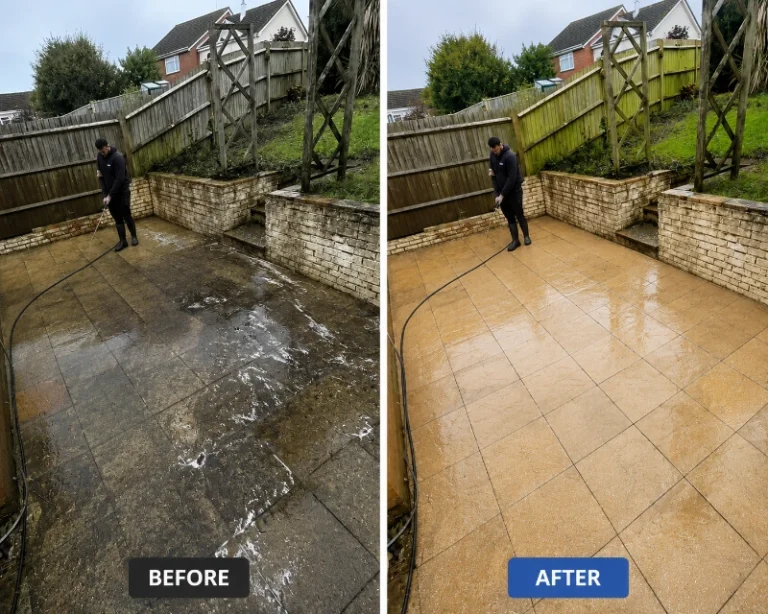
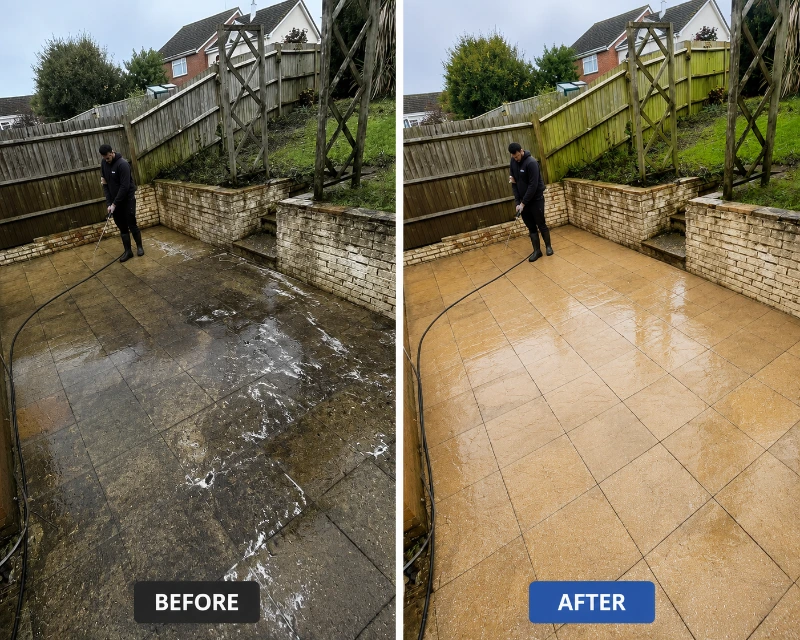
- Etching Zebra Stripes with a Wand: Hand-held wands leave uneven lines on concrete. Sweep driveways with professional 19-inch surface cleaners to ensure a uniform, clean pattern.
- Ignoring Stormwater Regulations: Discharging wash runoff containing chemicals into Eugene storm drains is illegal. Divert runoff and use neutralized formulas to protect the Willamette watershed.
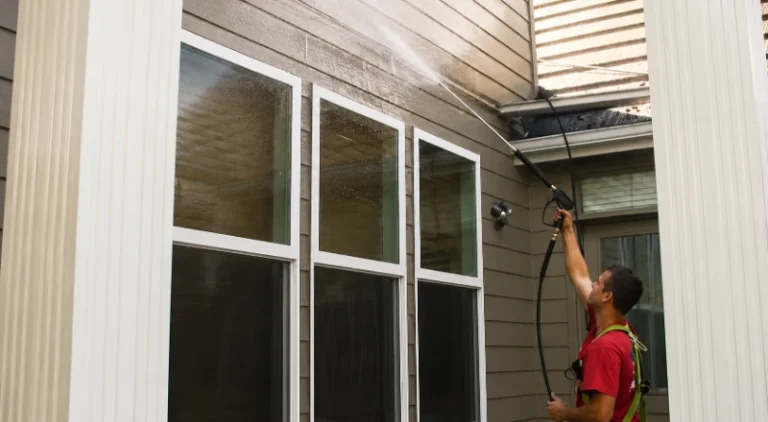
- Washing Siding Too Close: Working under 12 inches forces high-pressure water behind vinyl panels, leading to hidden drywall mold. Maintain a safe distance and utilize low-pressure soft wash.
- Skipping the Pre-Test: Blasting stucco or older brick without a test can peel coatings. Always run a 60-second test on an inconspicuous back-corner area first.
- Improper Shut Down: Leaving pressurized water trapped inside hoses bends components. Shut down water, turn off the engine, and release the line pressure before pack-up.
Frequently Asked Questions
Is pressure washing safe for vinyl siding?
Pressure washing vinyl siding is unsafe; it forces water behind panels. Vinyl siding must be soft-washed with low pressure and biodegradable surfactants.
What is the best tool for washing a concrete driveway?
A rotary surface cleaner. It spins nozzles at a fixed height, delivering a clean, even sweep without leaving lines or etching the concrete surface.